
This free lesson will teach you some essential travel Portuguese vocabulary so you can catch a train, find your hotel and navigate your way around the city.
How to ask "Where" in Portuguese
Here are some basic Portuguese phrases to get you started:
Important! Perfect Your Pronunciation With Rocket Record
Our voice recognition tool, Rocket Record, is used extensively throughout Rocket Portuguese to get you speaking the right way. Listen to the tutor audio then record yourself saying the phrase. Use a headset mic in a quiet environment for best results. Problems? Click here!
Como faço para chegar à….?
How do I get to….(female nouns)?
0%
Como faço para chegar ao….?
How do I get to….(masculine nouns)?
0%
Como faço para chegar à catedral, por favor?
How do I get to the cathedral please?
0%
Como faço para chegar ao hotel, por favor?
How do I get to the hotel please?
0%
Onde fica…?
Where is…?
0%
Onde fica a casa de câmbio?
Where is the currency exchange?
0%
Onde fica a estação de trem?
Where is the train station?
0%
Quanto custa?
How much?
0%
Quanto custa a passagem?
How much is the fare?
0%
Quanto custa o bilhete?
How much is the ticket?
0%
Quanto custa para ir até lá?
How much is it to get there?
0%
Boa viagem para todos!
Have a happy trip everyone!
0%

O Rio de Janeiro is known for its natural beauties, such as the beaches and the hills that surround the entire city. The city probably became world famous after the Brazilian music style, called Bossa Nova, hit the charts in the US with the song “Garota de Ipanema” (The Girl from Ipanema) written by Tom Jobin and Vinicios de Moraes in the mid-1960s, later being recorded by Frank Sinatra. The city has always been the inspiration for many musicians, who write about their love not only for the city itself, but for its people and traditions.
Garota de Ipanema
The Girl from Ipanema
0%
Ready to Start Learning Portuguese?
See how Rocket Portuguese helps you learn Portuguese online, from pronunciation practice to learning on the go. Watch the official Rocket Portuguese Course Tour below!
Here are some key words to help you find your way around in Rio de Janeiro.
O metrô
The subway network
0%
O centro da cidade
The city centre or CBD
0%
Os bairros
The districts
0%
A Zona Sul
The south zone (only in Rio )
0%
A Zona Norte
The north zone (only in Rio )
0%
A Zona Leste
The east zone (only in Rio )
0%
A Zona Oeste
The west zone (only in Rio )
0%
O IPA
City train networks
0%
A tarifa
The fare
0%
À direita
To the right
0%
À esquerda
To the left
0%
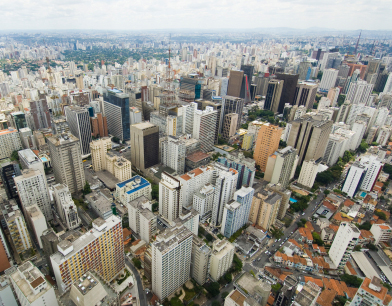
Imagine wandering through one of Rio de Janeiro’s bustling “ruas,”, or through the city’s historic “centro,”, the city center, and re-living the magical era of Bossa Nova! Or drinking “uma gelada,” a cold beer, at one of the many bars along the streets, appreciating the warmth of the weather and the people.
ruas
streets
0%
centro
city center
0%
uma gelada
a cold one (beer)
0%
Find out about asking Portuguese questions in this series of lessons. Make sure you listen to the audio and practice your Portuguese pronunciation. And do the Portuguese tests at the end of each lesson to reinforce your knowledge of Portuguese questions!
- Saying "how are you?" in Portuguese.
- In this lesson you'll find lots of helpful questions in Portuguese.
- Asking "Where?" in Portuguese.
Até mais!
Tereza Pereira: Rocket Portuguese
Make Your Portuguese Stick With The Rocket Activities
Reinforce your Portuguese learning with activities that test your recall, listening and speaking skills!